Across the Philippines, people and landscapes are bound by constant change. Coastlines, forests, rivers, and uplands respond to both natural forces and human decisions, shaping how communities live and adapt over time.
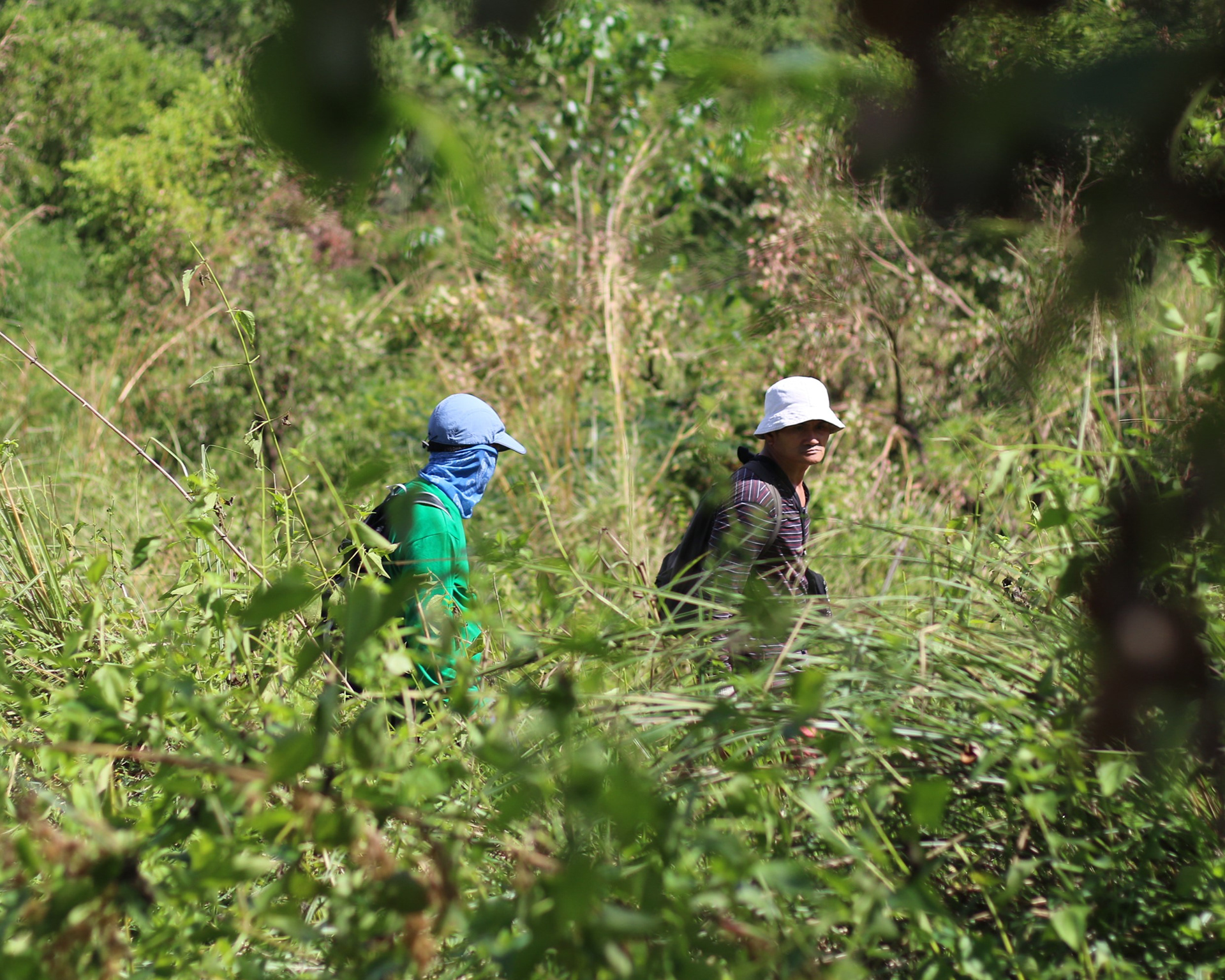
FORT MAGSAYSAY, NUEVA ECIJA, PHILIPPINES
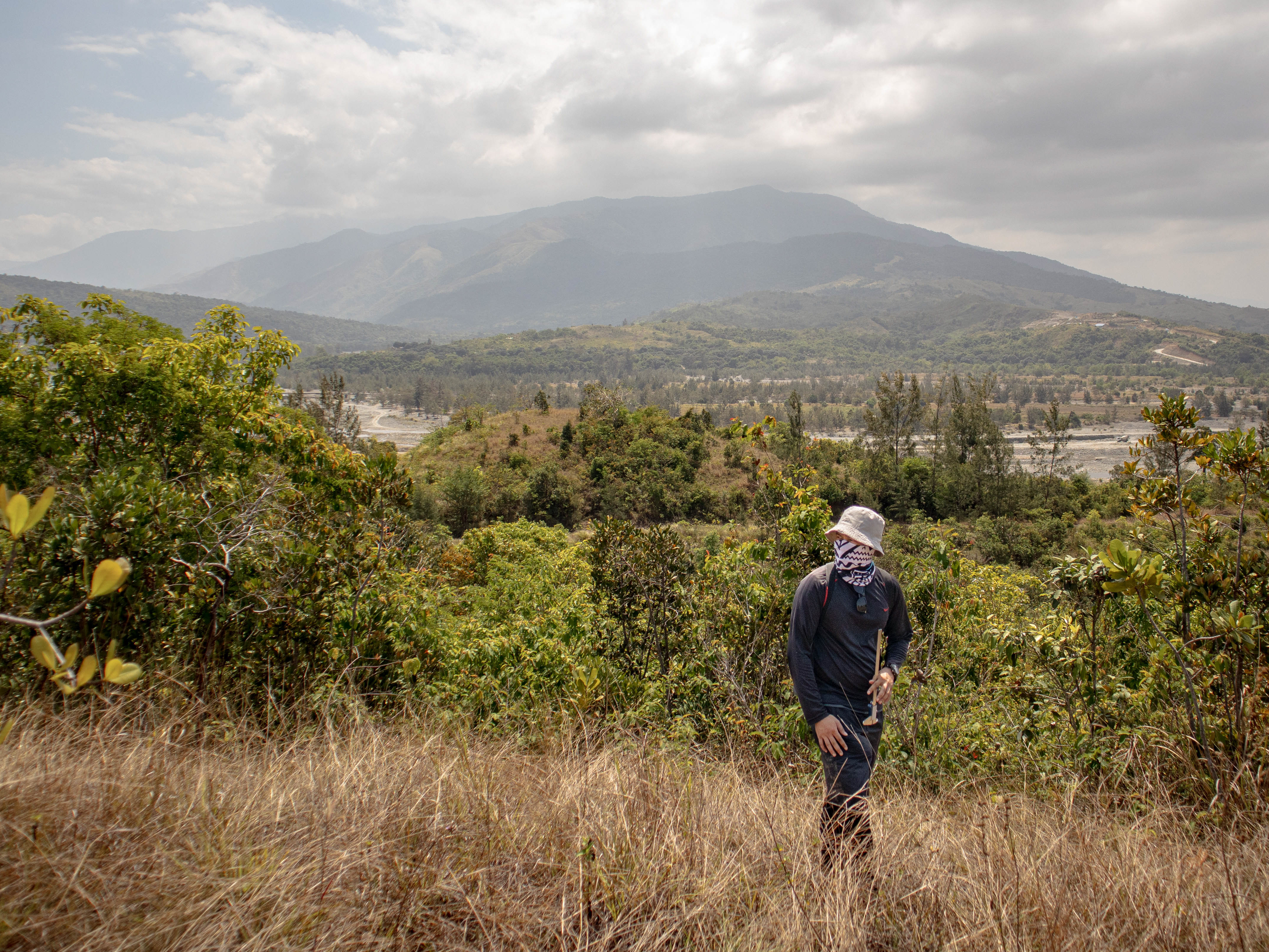
In Fort Magsaysay, Nueva Ecija, researchers monitor a reforestation site where ecological recovery depends on both natural processes and sustained human stewardship. In landscapes shaped by past disturbance, restoration is not a single act but an ongoing process of observation and adaptation.
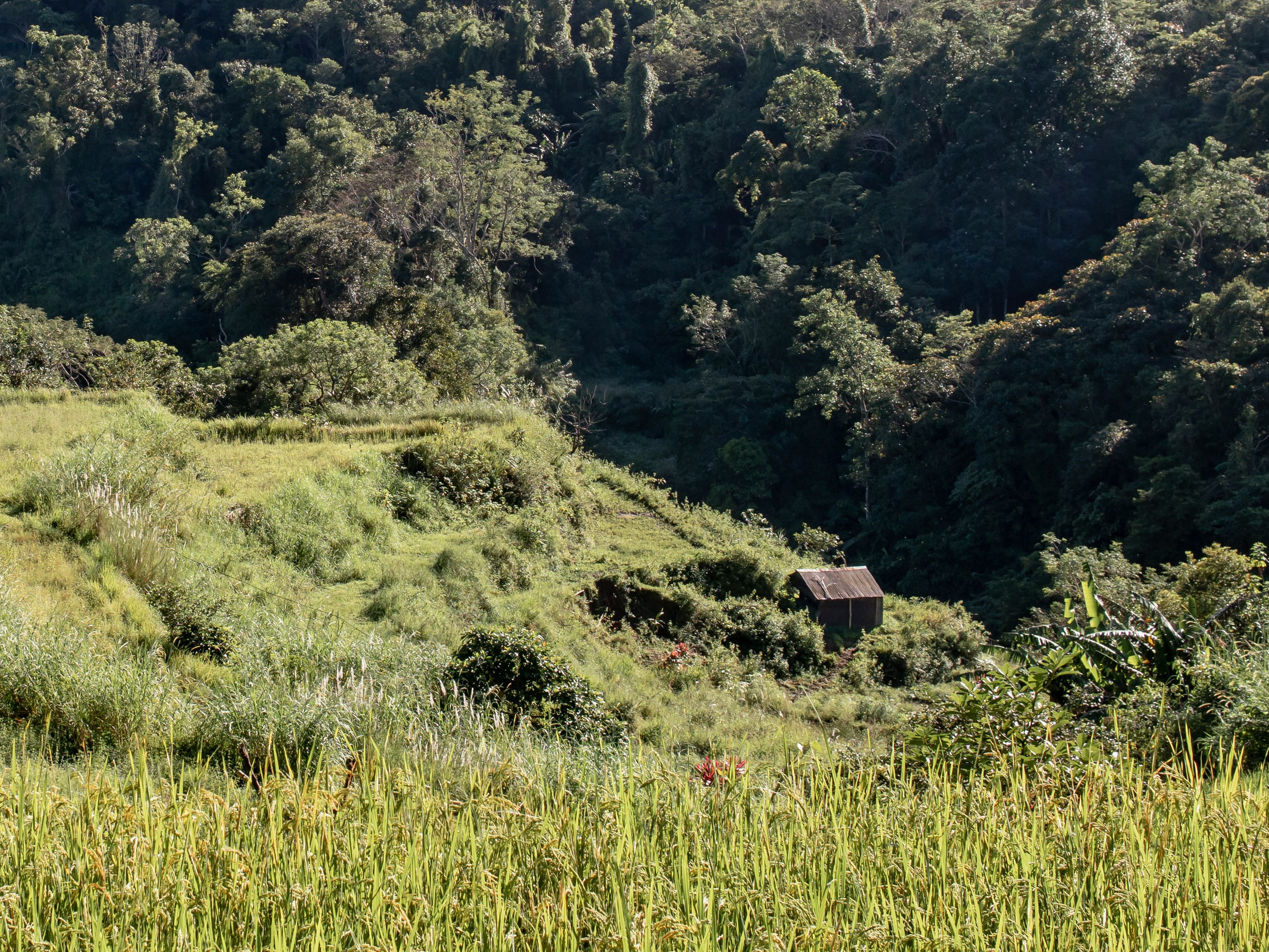
Meanwhile, in the Loboc watershed of Bohol, forests, farms, and waterways are deeply connected. Decisions made in upland areas influence soil erosion, water quality, and river conditions downstream, shaping the communities and livelihoods sustained by the same river system.
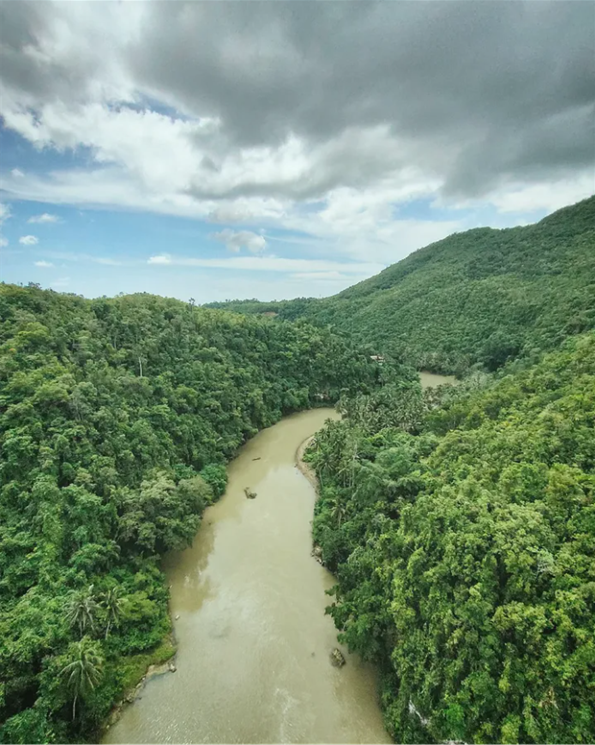
LOBOC RIVER WATERSHED, BOHOL, PHILIPPINES
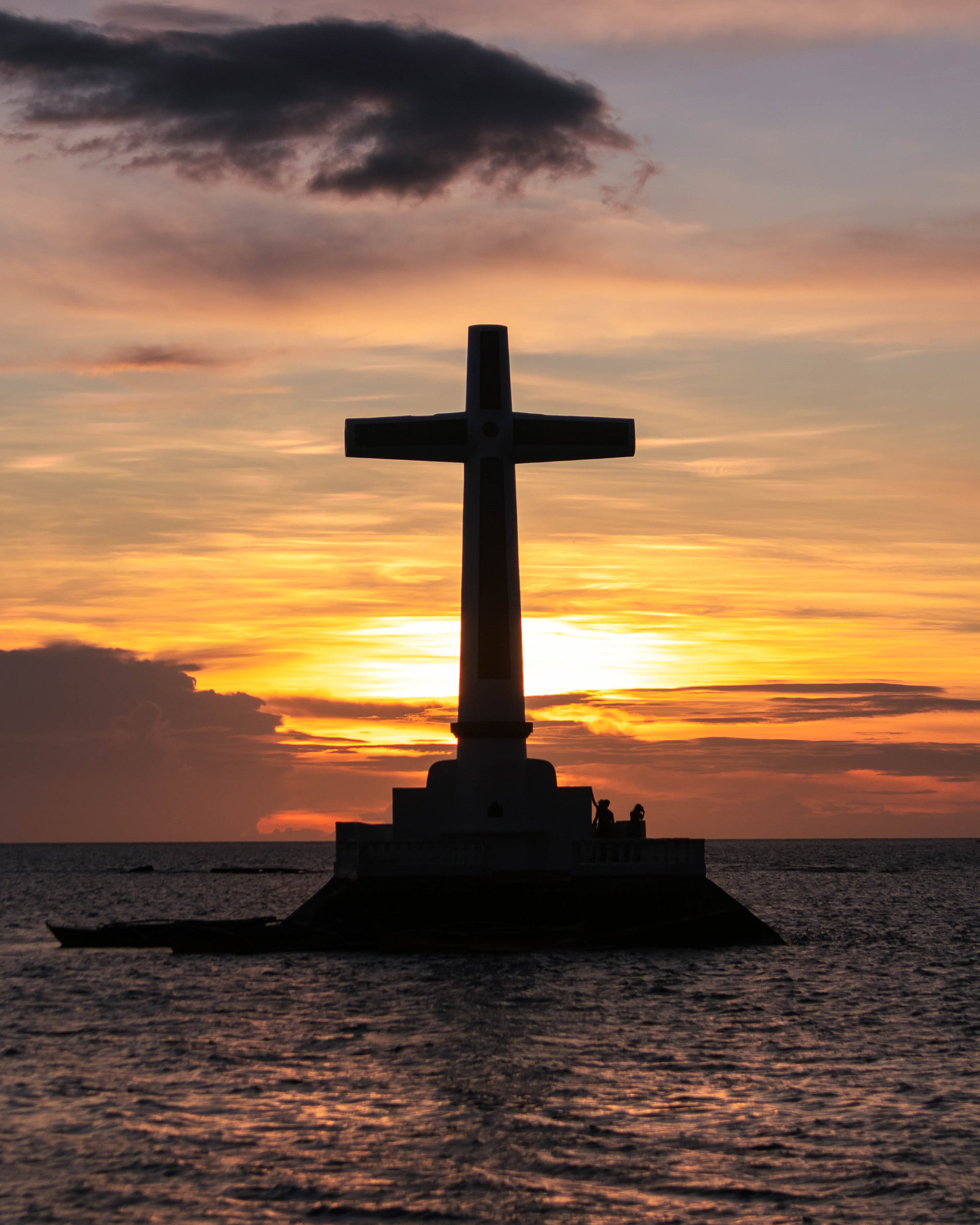
CATARMAN, CAMIGUIN, PHILIPPINES
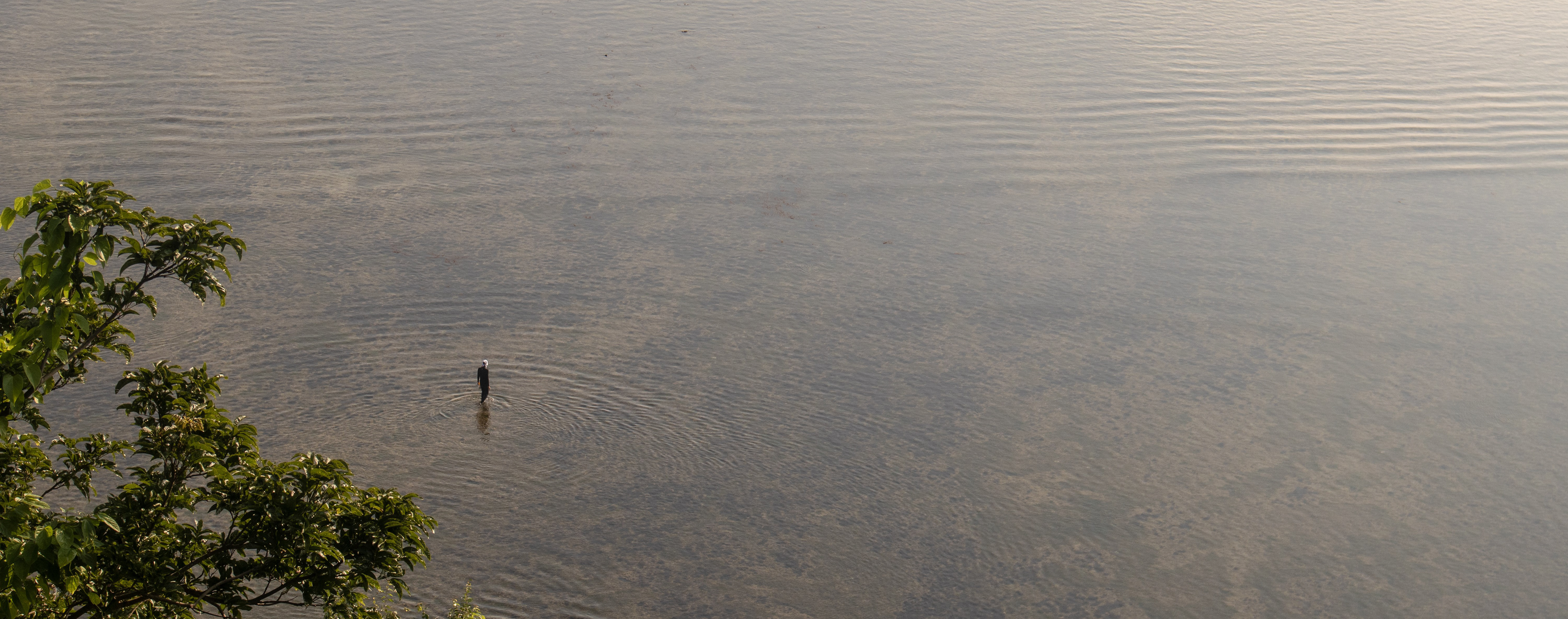
Yet, landscapes can change overnight. In Camiguin, the Sunken Cemetery was submerged after the 1871 eruption of Mt. Vulcan. What was once a burial ground is now part of the coastal landscape—a reminder that environmental change can be sudden, and adaptation sometimes imposed rather than chosen.
Across these landscapes, adaptation is never a single response. It is a continuing process shaped by history, ecology, and the choices people make—revealing that the future of communities and the environment remains deeply interconnected.