When restoring land is only the beginning
A long-form visual project in development documenting how upland farmers in Ilocos Sur are shifting from fire-dependent farming toward agroforestry under changing climate conditions. Through photography and interviews, the project follows the choices, risks, and hopes behind community-led adaptation.
A long-form visual project in development documenting how upland farmers in Ilocos Sur are shifting from fire-dependent farming toward agroforestry under changing climate conditions. Through photography and interviews, the project follows the choices, risks, and hopes behind community-led adaptation.
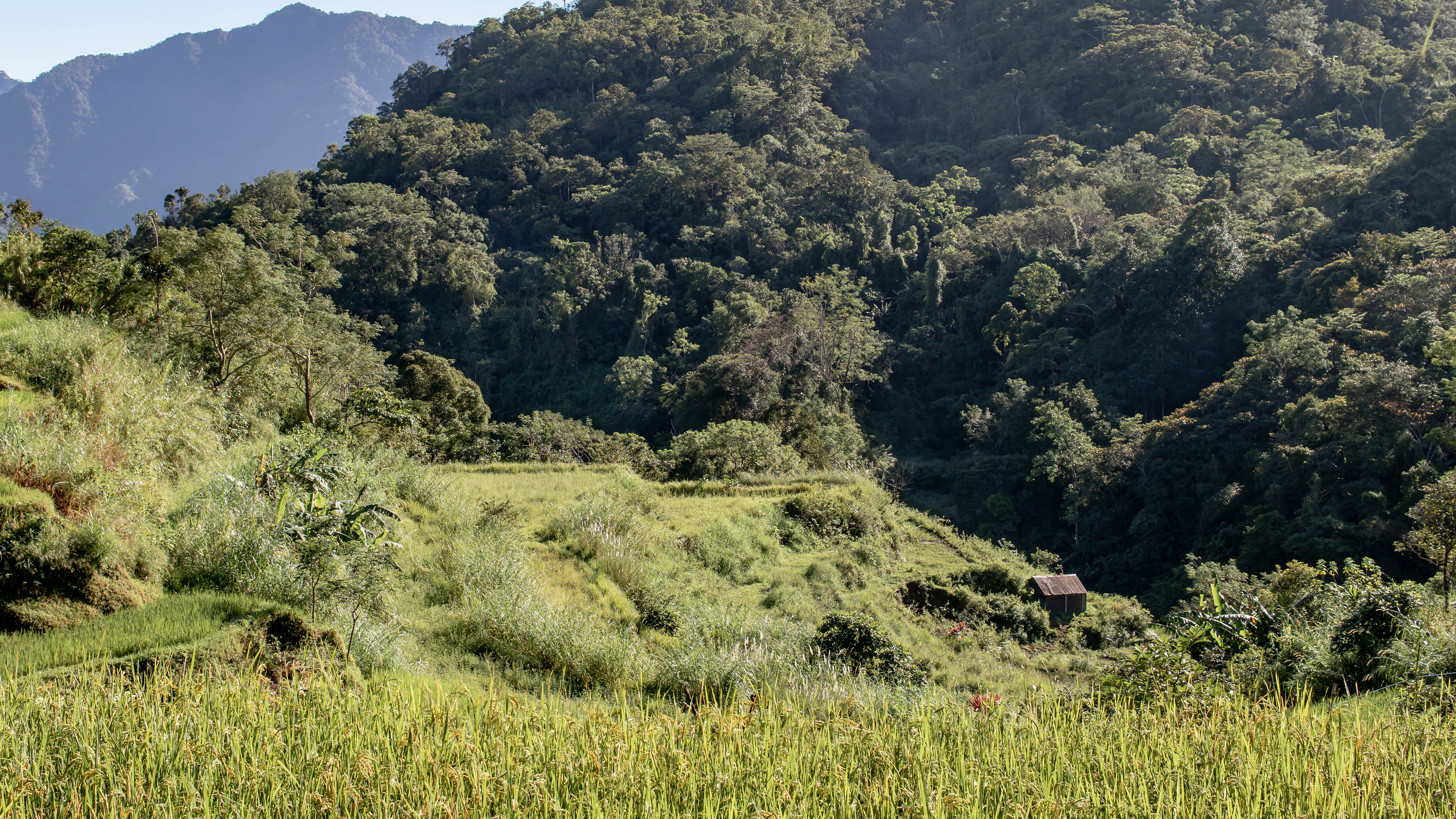
In the uplands of Suyo, Ilocos Sur, the hills around Kinapian are beginning to change.
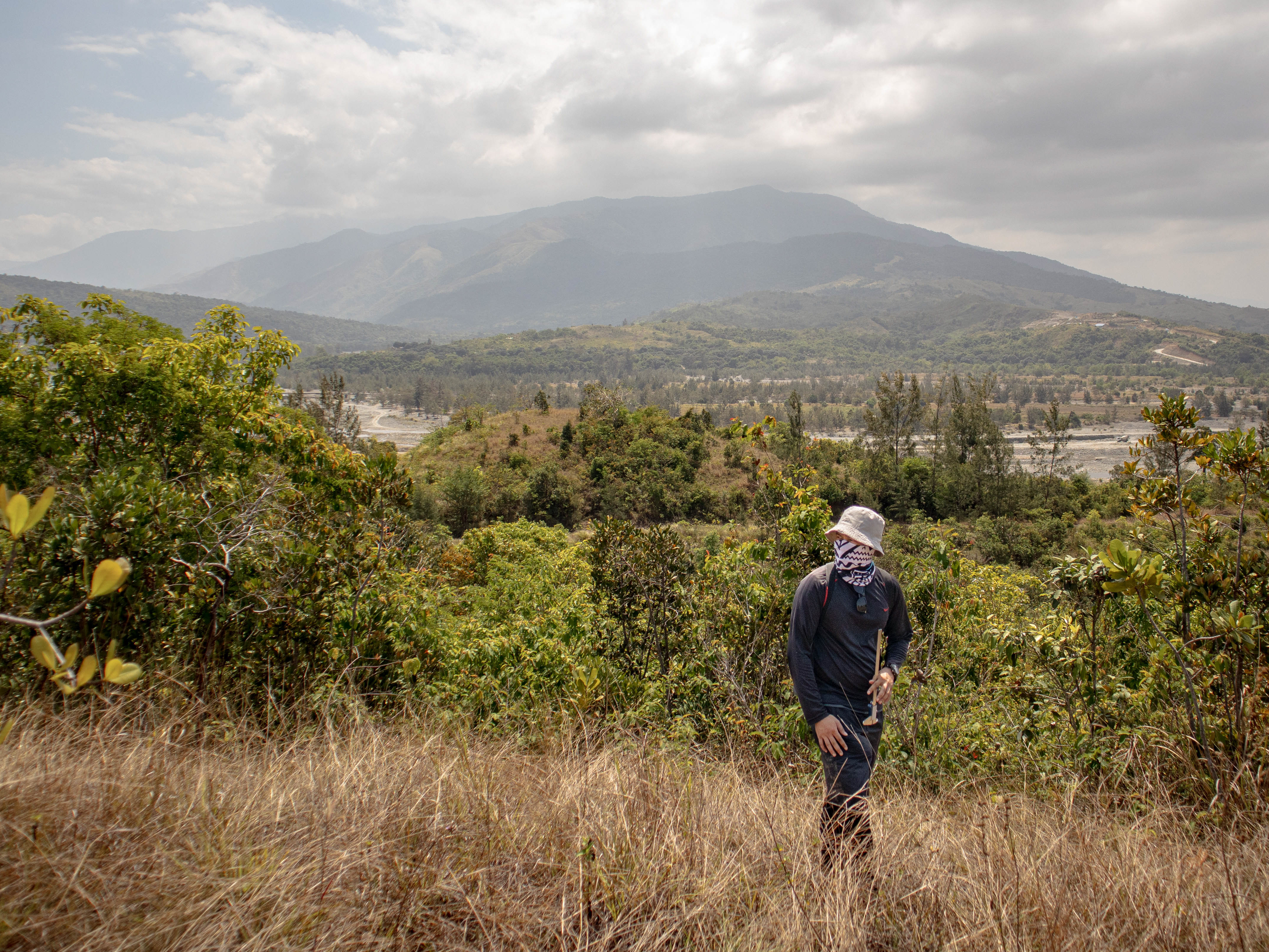
Where fire once marked the start of each planting cycle, patches of recovering forest now edge the farms. Terraced fields follow the contours of steep ground. Coffee shrubs grow beside food crops. What had long been shaped by kaingin—the clearing and burning of vegetation to prepare land for cultivation—is slowly being replaced by a more permanent agroforestry system.
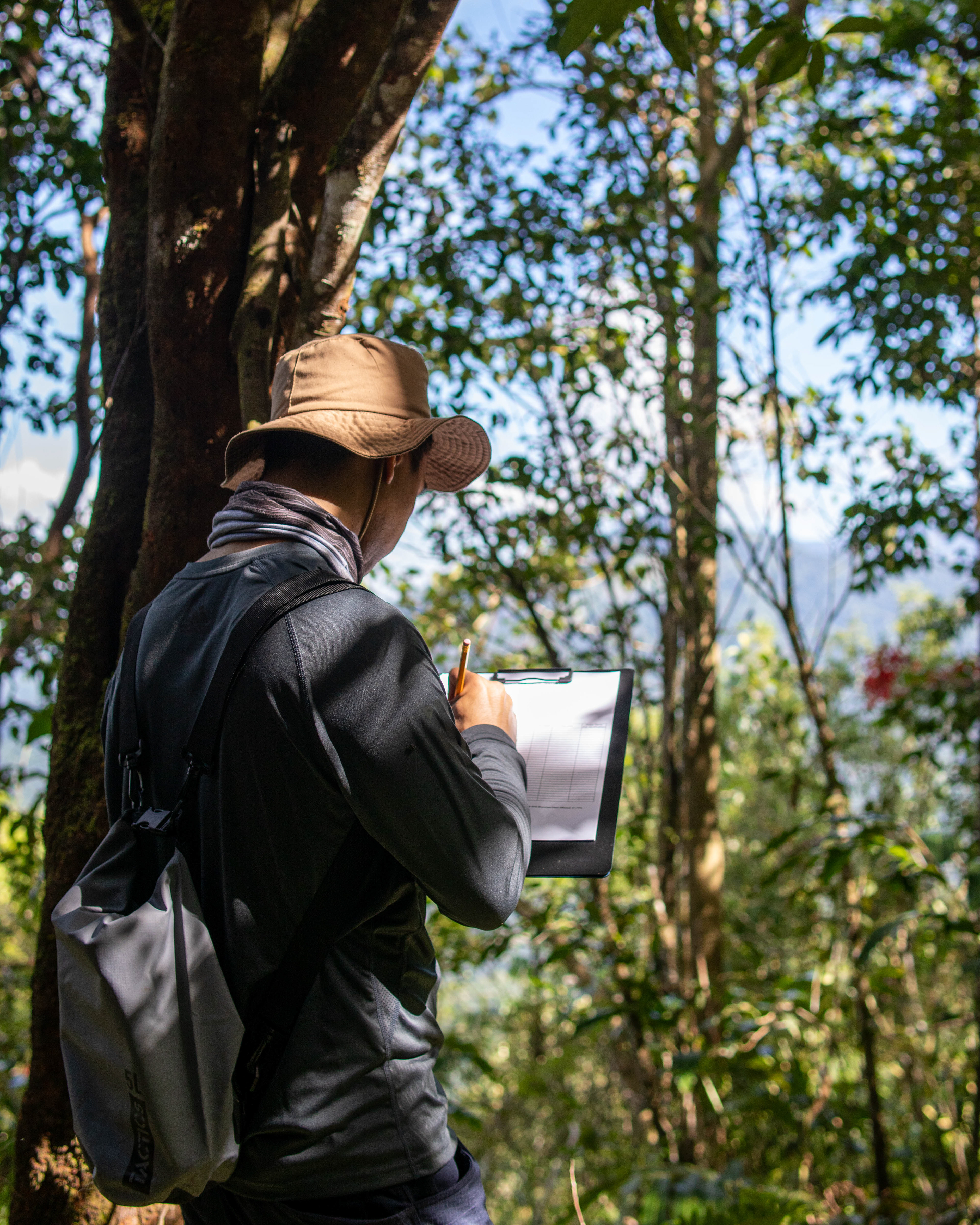
When my colleagues and I visited Kinapian in 2025, we came as part of an impact evaluation team from the Ecosystems Research and Development Bureau (ERDB). Our task was to assess the environmental and socio-economic effects of a Community-Based Forest Management–Comprehensive Agrarian Reform Program (CBFM-CARP) support project implemented through the local People’s Organization.
Some of the results were visible before any discussion began. Surrounding forest cover had started to recover. Burning had declined. Farms were shifting toward a more stable mix of crops and trees. For many restoration programs, these would already be considered meaningful successes.
But the longer we stayed, the clearer it became that environmental recovery was only one part of a larger story.
Sustainable development is often described through three connected pillars: environmental protection, economic opportunity, and social cohesion. When one weakens, the others are placed at risk. I have seen promising projects elsewhere lose momentum when livelihoods remain fragile or organizations begin to fracture. In Kinapian, those pressures were still present.
One farmer offered to sell us freshly harvested cucumbers for only ten pesos per kilogram. Transporting them to a larger market would cost more than the sale itself. The price was not simply a bargain; it was a measure of distance, weak market access, and how easily rural labor can be undervalued.
Even so, people continued to look for ways forward.
One possibility was coffee.
During the leadership of a farmer and the People’s Organization president whom I will call Mang Lino, the CBFM-CARP project we were assessing helped the community pursue a government-supported agroforestry initiative centered on coffee. The crop offered something previous systems often could not: stronger market demand and the potential for higher value if processed and marketed well.
To support this effort, the People’s Organization coordinated with government agencies and secured coffee-processing equipment intended to help move beyond raw production and into value-added marketing. On paper, it was the kind of institutional support many upland communities hope to secure.
In the field, the picture was more complicated.
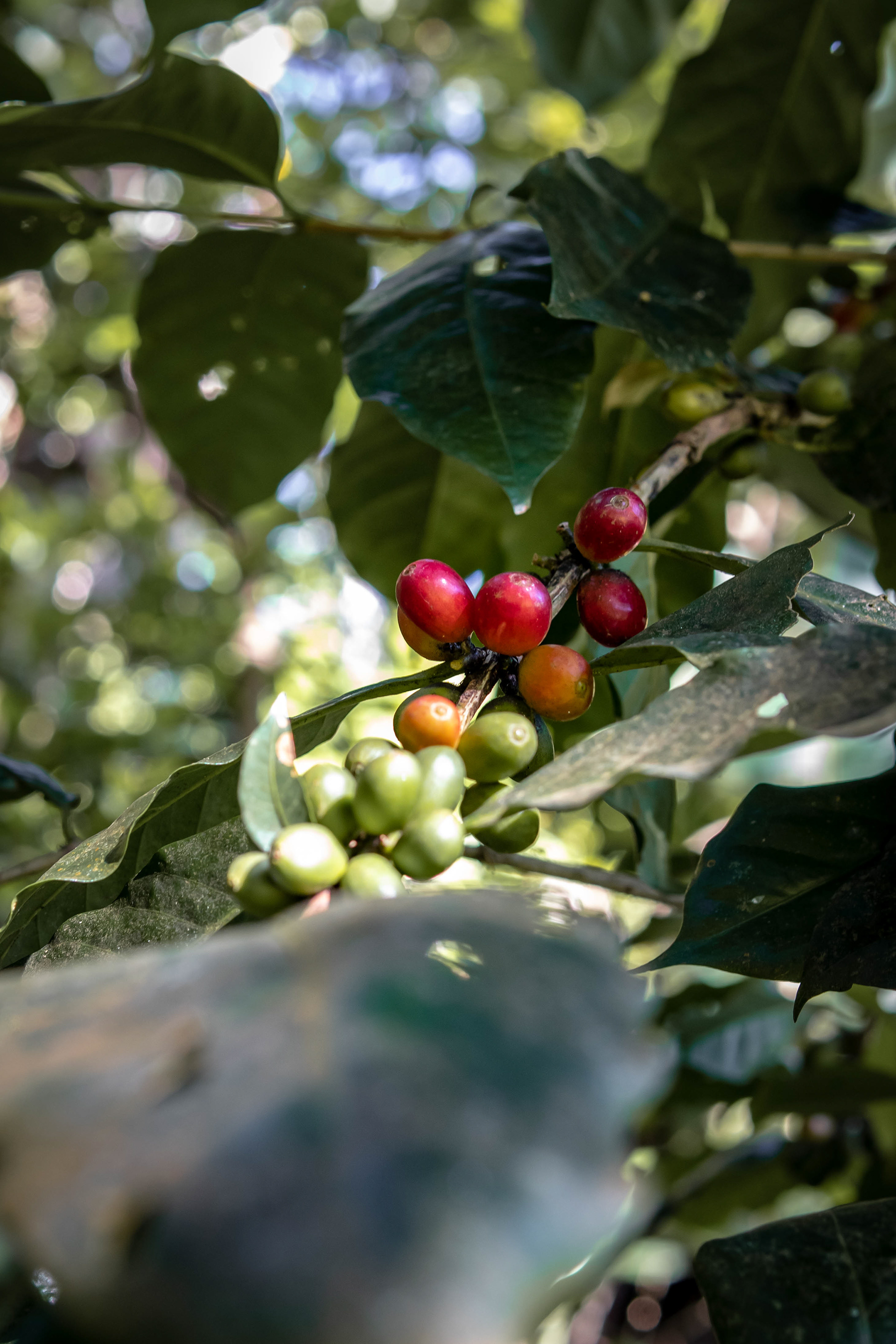
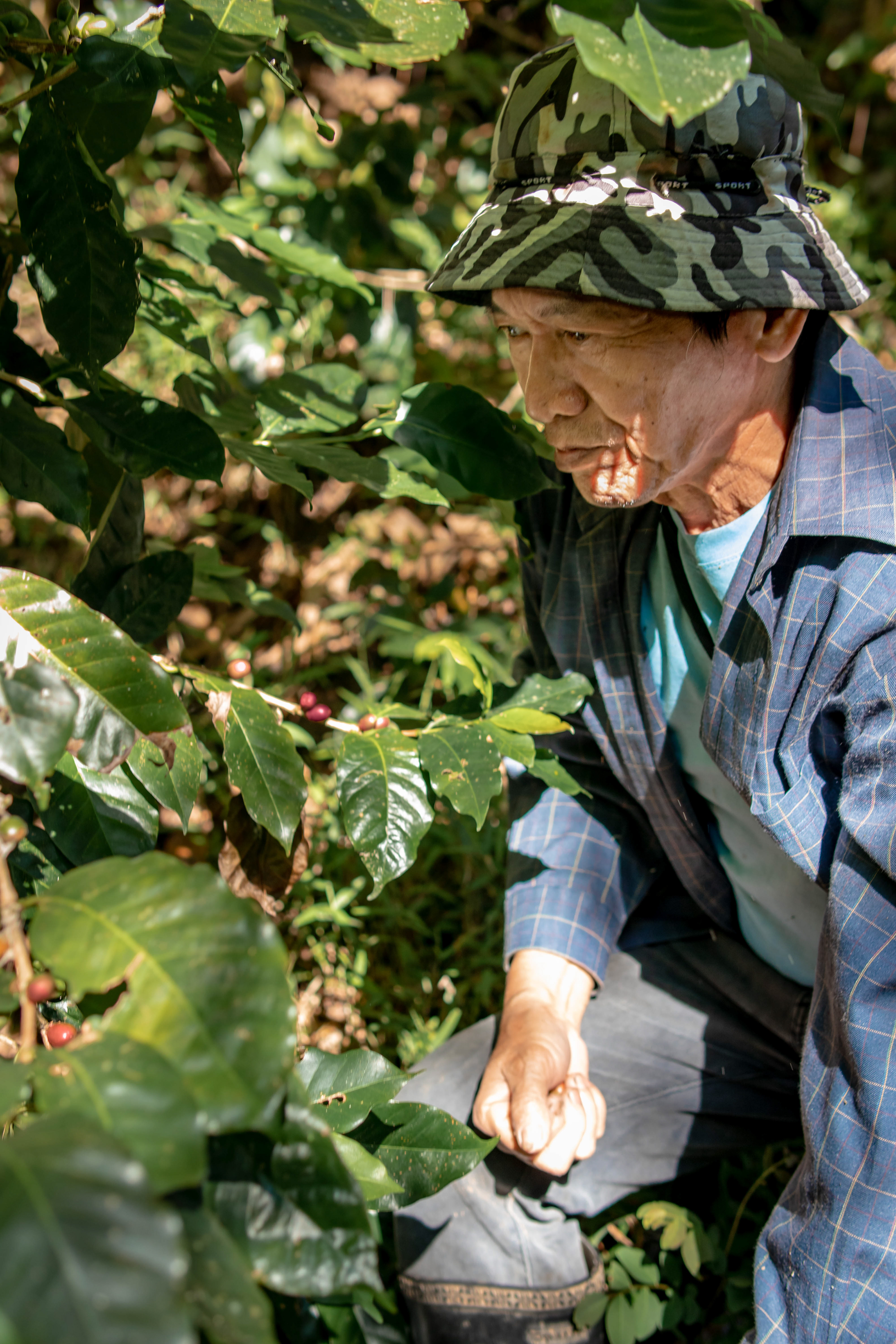
Not every household had coffee planted. Only a few members were participating directly in the crop’s production. Mang Lino was the only one regularly marketing coffee outside the community. The equipment represented opportunity, but opportunity alone does not guarantee collective progress. Adoption takes time, labor, trust, and confidence that returns will justify the effort.
As our visit continued, another challenge emerged: the People’s Organization itself was under strain.
Members spoke about difficulties in coordination and sustaining momentum. Yet one farmer put the stakes plainly: if the organization fails, people may return to kaingin.
It was one of the clearest statements I heard in Kinapian. The issue was never just meetings or paperwork. It was whether a community could hold together long enough for better systems to take root.
A dialogue followed. Differences were aired. Reconciliations happened. Hard decisions were still made. There was no dramatic resolution, only the slower work of trying to keep a shared project alive.
That, too, is part of climate resilience.
It is easy to imagine resilience as a finished terrace, a newly planted tree, or a successful harvest. In reality, it is often found in less visible places: in meetings that run long, in disagreements that do not end relationships, in people choosing to continue despite uncertain returns.
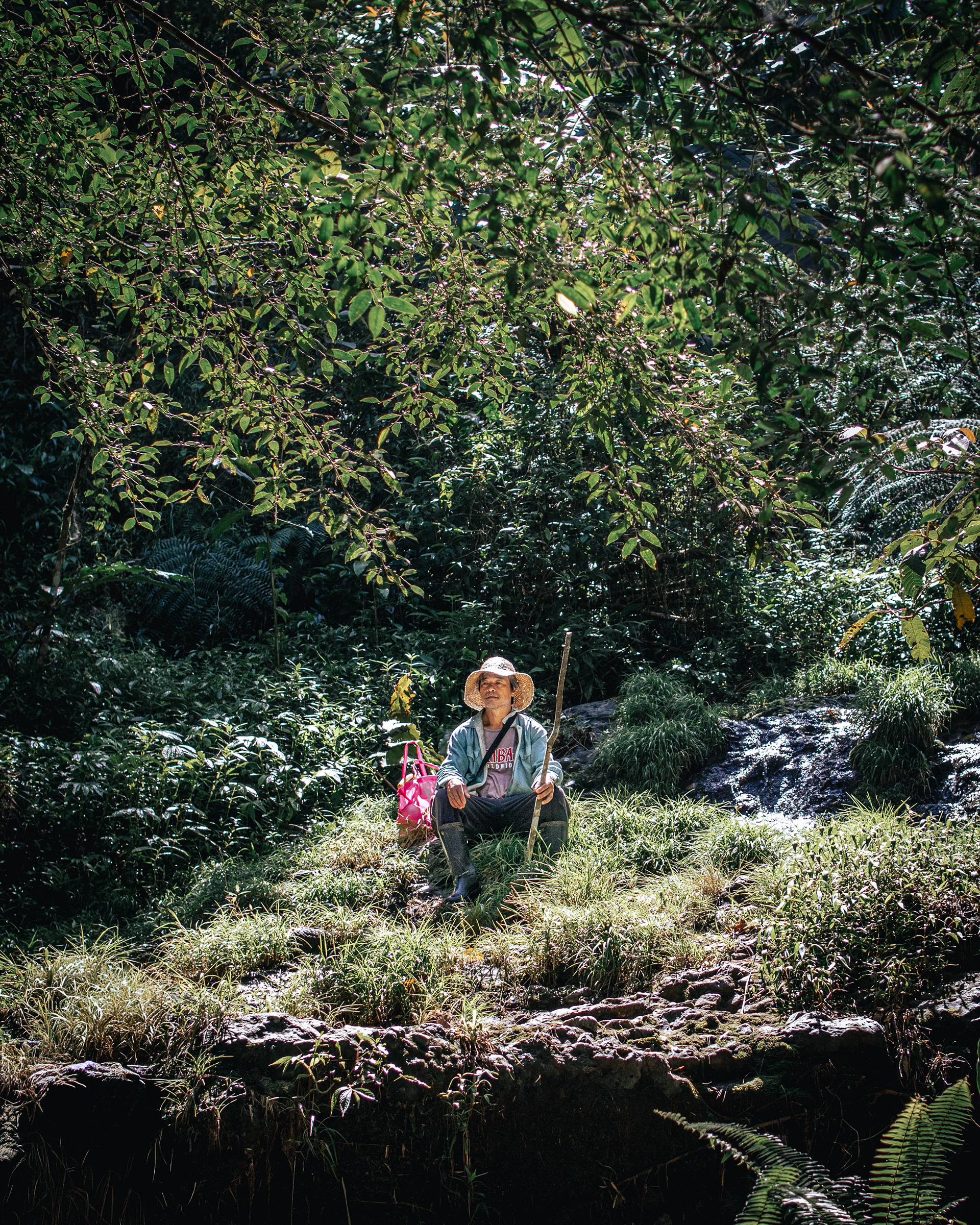
Kinapian has already achieved something many communities struggle to reach. Burning has declined. Forests are recovering. Farmers are experimenting with more sustainable ways of working the land.
But the people here understand that protecting the environment is not the final step. A truly lasting transition also requires fair returns, functioning organizations, and livelihoods strong enough to keep hope practical.
The hills around Kinapian are greener now.
The harder work is making sure that progress can endure.